If you have Bamboo in your garden, you likely know how quickly it can take over your garden if you’re not careful. Its sneaky rhizomes are the culprits, spreading far and wide underground. We’ll walk you through why it happens and, more importantly, how to put a stop to it with effective Bamboo Containment. We will teach you the best methods and how to install them yourself so that it remains an addition to your garden rather than a nuisance.
Key Takeaways
- Bamboo spreads via underground rhizomes, which can travel surprisingly far. Understanding this is the first step to effective Bamboo Containment.
- Physical barriers, typically made of thick, flexible plastic like HDPE or polypropylene (at least 60 mil), are the most reliable way to stop bamboo from spreading.
- Proper installation involves digging a deep enough trench (at least 600mm wide, with 100mm visible above ground) and ensuring the barrier is continuous and well-secured to prevent rhizome escape.
Why Some Bamboos Can Spread So Fast
Certain types of bamboo possess an extraordinary ability to spread rapidly, often catching gardeners by surprise. This vigorous growth is primarily due to their underground root system, known as rhizomes. For some species, these rhizomes can extend outwards for considerable distances, sometimes up to 12 metres or more within a single growing season. When these rhizomes encounter suitable soil, they can sprout new culms (the upright stems), quickly forming dense stands.
It’s important to distinguish between the two main growth habits: running and clumping. Running bamboo is the type that typically causes concern. Its rhizomes are long and thin, designed to seek out new territory. They grow horizontally beneath the soil surface, and if they hit an obstacle like a wall or pavement, they often change direction and continue their search for an opening. This behaviour means they can travel under paths, into neighbouring gardens, or even find their way into building foundations if not managed.
In contrast, clumping bamboo species have a different rhizome structure. Their rhizomes are shorter and thicker, growing outwards only a few centimetres before sending up a new culm. This results in a dense, compact clump that expands slowly over time. While clumping bamboo is far less likely to spread invasively, it’s not entirely impossible, especially in ideal conditions or if planted very close to sensitive structures.
Here’s a quick comparison:
- Running Bamboo: Characterised by long, fast-spreading rhizomes that can travel significant distances underground. This is the type most likely to require containment.
- Clumping Bamboo: Features short, stubby rhizomes that grow outwards minimally, forming dense, self-contained clumps. Generally requires less intervention.
The key to understanding bamboo’s spread lies in its rhizome system. For running types, these underground stems are essentially nature’s way of ensuring the plant’s survival and propagation by exploring new ground. Without intervention, this natural process can quickly lead to an overwhelming presence in your garden.
Understanding Bamboo Rhizomes: The Key to Containment
To effectively manage bamboo, it’s important to understand how it spreads. The primary mechanism is through its rhizomes, which are specialised underground stems. These rhizomes are the true engine of bamboo’s expansion, sending out new shoots that emerge as culms (the above-ground stalks).
There are two main types of bamboo growth habits: clumping and running. Clumping bamboos, as the name suggests, grow in a more contained fashion, with rhizomes that tend to grow outwards only a short distance before sending up new shoots. Running bamboos, however, are far more vigorous. Their rhizomes can travel significant distances underground, sometimes up to 10 metres or more in a single growing season, before emerging as new plants. This is why running bamboo is often the type that requires more diligent containment.
The rhizomes are the part of the plant that needs to be controlled to prevent unwanted spreading. If these underground stems are not intercepted, they will continue to grow, potentially pushing under paths, into neighbouring properties, or even finding their way into structures.
Understanding the behaviour of these rhizomes is the first step in choosing and installing the right containment system. It’s not just about stopping the visible shoots; it’s about intercepting the growth at its source – the rhizome itself. This proactive approach is what makes containment successful.
The underground network of rhizomes is the driving force behind bamboo’s spread. By understanding their growth patterns, you can implement strategies to keep your bamboo where you want it.
Choosing the Right Bamboo Containment Method
Selecting the appropriate method for bamboo containment is key to managing its vigorous growth and preventing it from spreading beyond your desired area. While bamboo offers excellent qualities for privacy screening and bamboo screening, its rhizomes can be quite determined. You have a few primary options to consider, each with its own advantages and suitability depending on your specific situation.
Physical Barriers: The Most Effective Solution
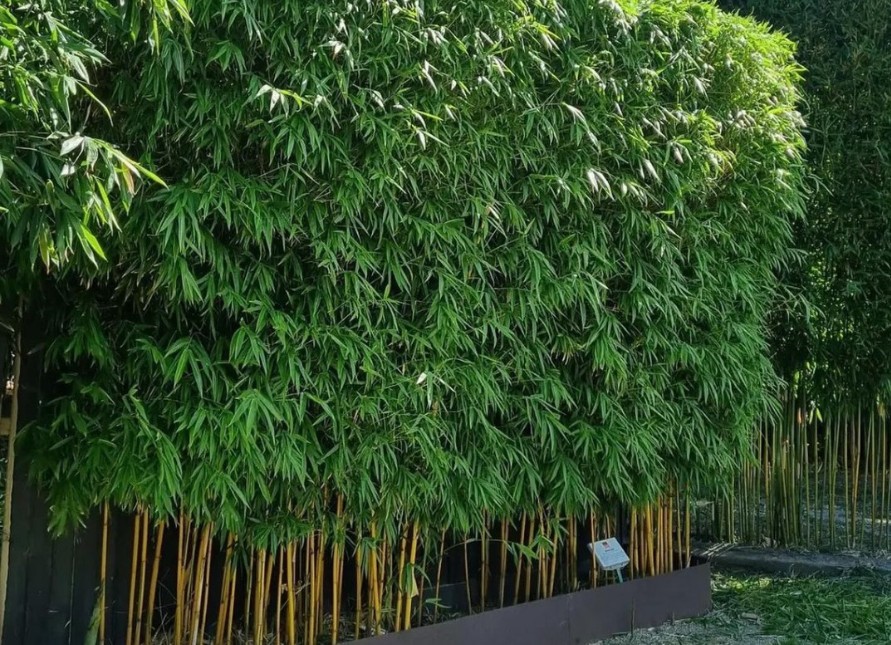
Physical barriers, often referred to as root barriers, are generally considered the most reliable way to contain bamboo. These are typically made from durable, flexible materials like high-density polyethylene (HDPE) or polypropylene. The goal is to create an impermeable wall that the bamboo rhizomes cannot penetrate. A properly installed barrier will completely encircle the bamboo clump, extending deep enough into the ground to intercept any spreading rhizomes and also protruding slightly above the soil surface. This above-ground lip is important because bamboo rhizomes can sometimes travel over the soil surface.
When selecting a barrier material, consider its thickness and longevity. Materials like concrete or metal can be effective but are often difficult to install and prone to cracking or corrosion over time. Flexible, seamless membranes are usually the preferred choice for ease of installation and their ability to conform to the landscape.
Root Pruning: A Maintenance Strategy
Root pruning is a more labour-intensive approach that involves regularly cutting back the bamboo’s rhizomes. This method is best suited as a supplementary strategy for managing bamboo that is already partially contained or when a full barrier installation isn’t feasible. It requires a commitment to ongoing maintenance, typically involving digging a trench around the bamboo periodically to sever any encroaching roots. While it can help slow the spread, it’s rarely a complete solution on its own and needs to be done diligently to be effective.
Container Planting: For Smaller Spaces
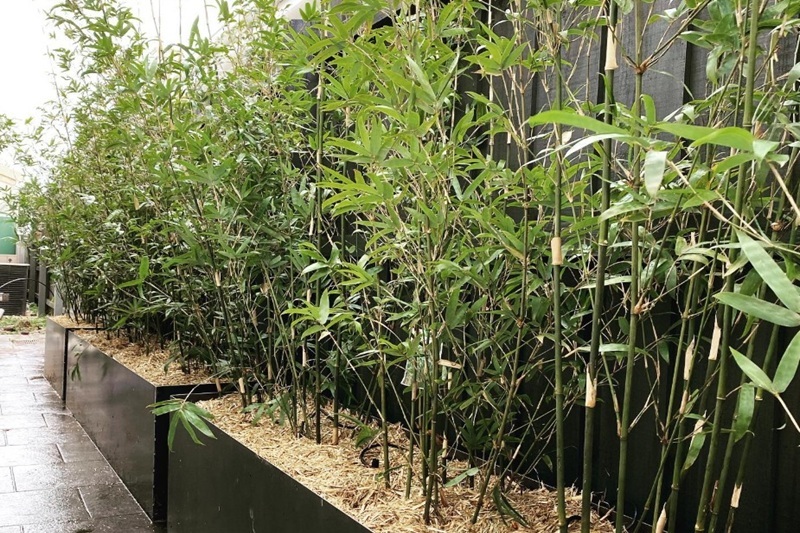
For those who wish to enjoy smaller bamboo varieties or specific ornamental types without the risk of spreading, container planting is an excellent option. This involves growing the bamboo in pots or planters. It provides complete containment, as the roots are restricted by the container walls. Ensure the containers are of adequate size for the chosen bamboo species and that they have good drainage. This method is ideal for patios, balconies, or small garden areas where ground planting is not desired or practical.
Installing a Bamboo Barrier: A Step-by-Step Guide
Installing a physical barrier is the most reliable method to prevent Running Bamboo from spreading into unwanted areas of your garden. This process involves digging a trench and installing a robust material that rhizomes cannot penetrate. While it requires some effort, the long-term benefits of containment are significant.
Materials Needed for Barrier Installation
Before you begin, gather the necessary items to ensure a smooth installation process:
- Bamboo Root Barrier Material: High-density polyethylene (HDPE) is commonly recommended, with a thickness of at least 60 mil. Ensure you have enough length to encircle the bamboo clump, plus extra for overlaps.
- Tools for Digging: A sharp spade, shovel, and potentially a mattock or pickaxe for tougher soil conditions.
- Measuring Tape: To accurately determine the barrier’s placement and length.
- Utility Knife or Heavy-Duty Scissors: For cutting the barrier material if needed.
- Protective Gear: Gloves and eye protection are advisable.
- Optional: Heavy-duty duct tape or a bitumen-based joining tape for securing seams if your barrier material requires it.
Excavation and Trenching
Proper trenching is key to effective containment. The goal is to create a continuous barrier around the bamboo’s root system.
- Determine Placement: Decide where you want to contain the bamboo. It’s generally recommended to offset the barrier by 300-500mm from the main clump of bamboo to give it some space.
- Dig the Trench: Begin digging a trench around the perimeter. The depth of the trench will depend on the expected depth of the bamboo rhizomes. A common depth is around 600-800mm, but you may need to go deeper if you encounter extensive rhizome growth. Aim for a trench width that allows you to comfortably work and place the barrier.
- Clear Rhizomes: As you dig, you will likely encounter bamboo rhizomes. Use your spade or pruners to cut these cleanly. Collect all cut rhizome pieces and dispose of them properly to prevent any chance of regrowth. Be mindful of sharp objects in the soil that could damage the barrier later.
Barrier Placement and Securing
Once the trench is ready, it’s time to install the barrier material.
- Inspect the Barrier: Before placing it in the trench, check the barrier material for any tears or damage that may have occurred during transport. If you find any, do not proceed with installation in that section; contact your supplier.
- Position the Barrier: Carefully lower the barrier material into the trench. Ensure it is positioned vertically, with the intended ‘bamboo side’ facing the clump. Avoid kinks or twists in the material.
- Overlap and Join: If your barrier requires joining sections, ensure a sufficient overlap (typically 200mm or more). Use appropriate joining tape or follow the manufacturer’s recommendations for securing seams. The top edge of the barrier must extend at least 100mm above the ground level to prevent rhizomes from growing over it.
Backfilling and Finishing Touches
With the barrier in place, the final steps involve refilling the trench and tidying up.
- Backfill the Trench: Carefully return the excavated soil to the trench. Compact the soil in layers as you go to prevent excessive settling later. Ensure the barrier remains upright and in position during this process.
- Check for Obstructions: As you backfill, be aware of any sharp rocks or debris that could potentially puncture the barrier from the outside. Remove these or consider adding a protective layer of geotextile fabric if you have concerns.
- Final Touches: Once the trench is completely backfilled and the soil is compacted, you can tidy the area. Ensure the 100mm above-ground section of the barrier is clearly visible and accessible for future maintenance checks.
Maintaining Your Bamboo Containment System
Once the bamboo is contained, it is necessary to keep an eye on both the barrier and the plant itself. Routine maintenance prevents rhizomes from invading unwanted spaces and keeps containment systems working as intended.
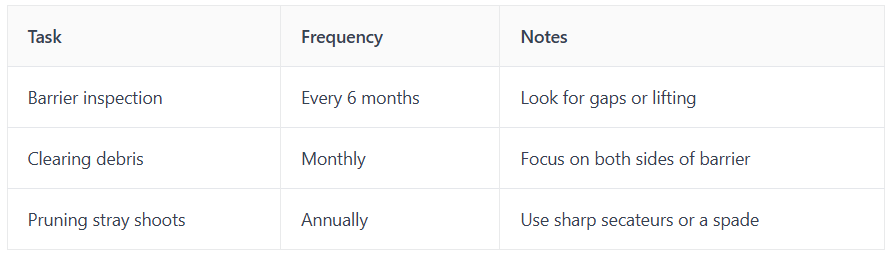
A good maintenance routine involves a few simple but regular tasks:
- Check the top edge of your barrier at least twice a year for any exposed or loose sections.
- Inspect the area immediately next to the barrier for any shoots or rhizome tips attempting to escape.
- Remove accumulated leaves, mulch, or debris from the area along the barrier edge, as they can hide escaping rhizomes.
- Every year, walk the boundary and prune away rogue shoots found outside the contained zone.
- Make sure the soil is not building up against the lip of the barrier, as excess soil can let rhizomes sneak over.
Paying attention to small changes in growth or soil level around the barrier will help you spot issues early and avoid bigger problems. Maintenance is straightforward, but ignoring it even for one season can give bamboo the head start it needs to spread beyond your control.
Sticking to this regular routine helps to ensure bamboo remains safely contained, with minimal hassle year after year.
Wrapping Up Your Bamboo Battle Plan
So, you’ve learned about how bamboo spreads and why it’s important to get a handle on it. Installing a good root barrier, like the Bamboo Shield, is your best bet for keeping things tidy. Remember, it’s not just about digging a trench; it’s about making sure that barrier goes all the way around, deep enough, and sticks out a bit above the ground. If you can’t completely surround it, think of the barrier as part of a bigger plan with regular checks. It might seem like a bit of work upfront, but trust us, it’s way better than dealing with bamboo taking over your yard later. If you’re still unsure or need a hand, don’t hesitate to reach out to us here at Red Cloud – we’re happy to help you get your bamboo under control.