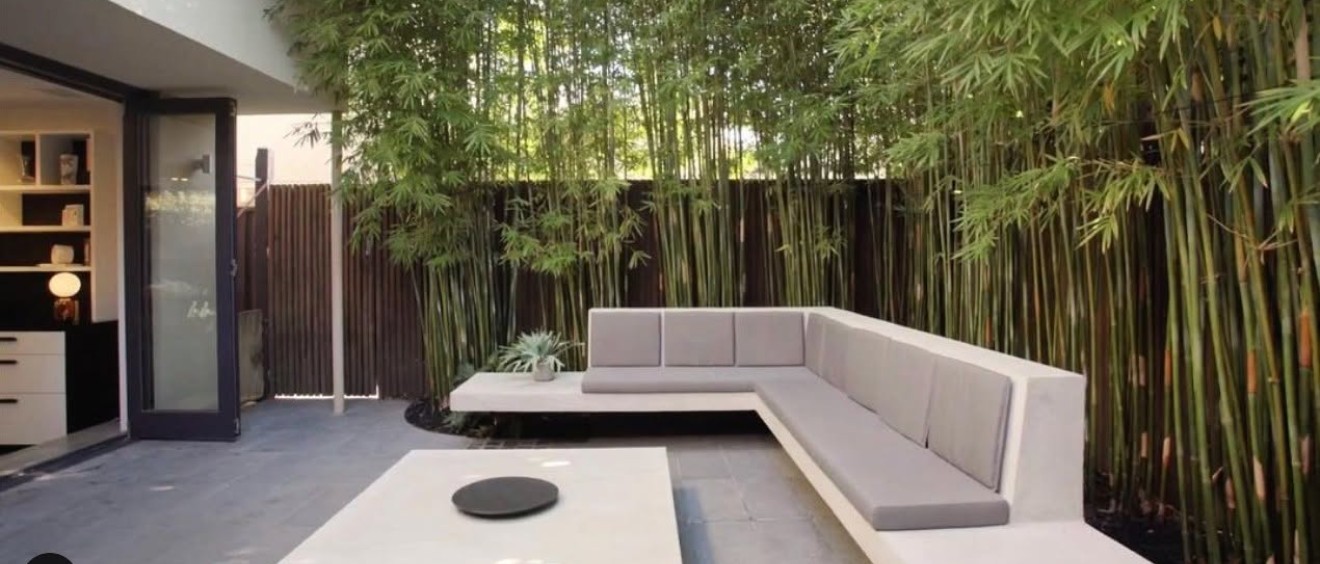
The gap between planting and privacy is where most people lose confidence. You put the plants in, they sit there looking underwhelming for a season, and doubt creeps in. The variety you chose matters more here than almost any other decision — get it wrong and you’re waiting years for a screen that should have been dense within 12 to 18 months.
Melbourne’s climate is specific enough that variety selection actually matters. The cold doesn’t bother established clumping bamboo much, but a plant that spent its whole life in a Queensland nursery can take the better part of a year just getting used to a Victorian winter. That’s a year of growth you don’t get back. Bamboo Screening plants sourced locally, already grown in these conditions, skip that adjustment entirely.
Bamboo Screening That Actually Performs in Melbourne Conditions
The varieties that establish fastest here are all clumping types. Non-invasive bamboo plants grow inward and upward — the clump tightens and thickens over time rather than creeping outward. No containment work, no surprise shoots appearing three metres from where you planted. For bamboo plants for screening, that contained growth habit is exactly what you want.
Gracilis is the one most people end up with, and the reputation holds up. Bambusa textilis gracilis is slender and upright with dense, fine foliage — it screens well without becoming a wall of heavy vegetation. In a decent growing season, once it’s settled in, a metre of new height isn’t unusual. Handles dry summers better than a lot of alternatives, which matters more than people expect when January hits.
For taller boundaries — back fences, two-storey neighbour situations — Oldhamii is worth considering. It grows broader and more robustly than Gracilis, topping out around 8 to 10 metres, and it fills horizontal space faster. The tradeoff is that it needs more room, so a narrow side fence probably isn’t the right place for it.
Spacing, Size at Purchase, and First-Year Expectations
Buying a smaller pot to save money usually costs more in the end — not in dollars, but in time. A 45-litre specimen has a developed root system and the reserves to start growing straight away. A 20-litre planted at the same time spends its first season catching up. By year two the gap is obvious.
Spacing for a bamboo privacy screen along a standard boundary sits around 1 to 1.5 metres between plants. Tighter gets you a solid screen faster but costs more upfront. Go wider and the plants will fill in eventually — just on a slower schedule than most people want.
Watering in the first summer is where a lot of bamboo screens fail. Melbourne’s heat can stress a newly planted clumper before the root system has had time to anchor properly. Deep, infrequent watering — rather than light daily watering — encourages the roots to go down, which is what you want for a plant that needs to withstand both heat and wind.
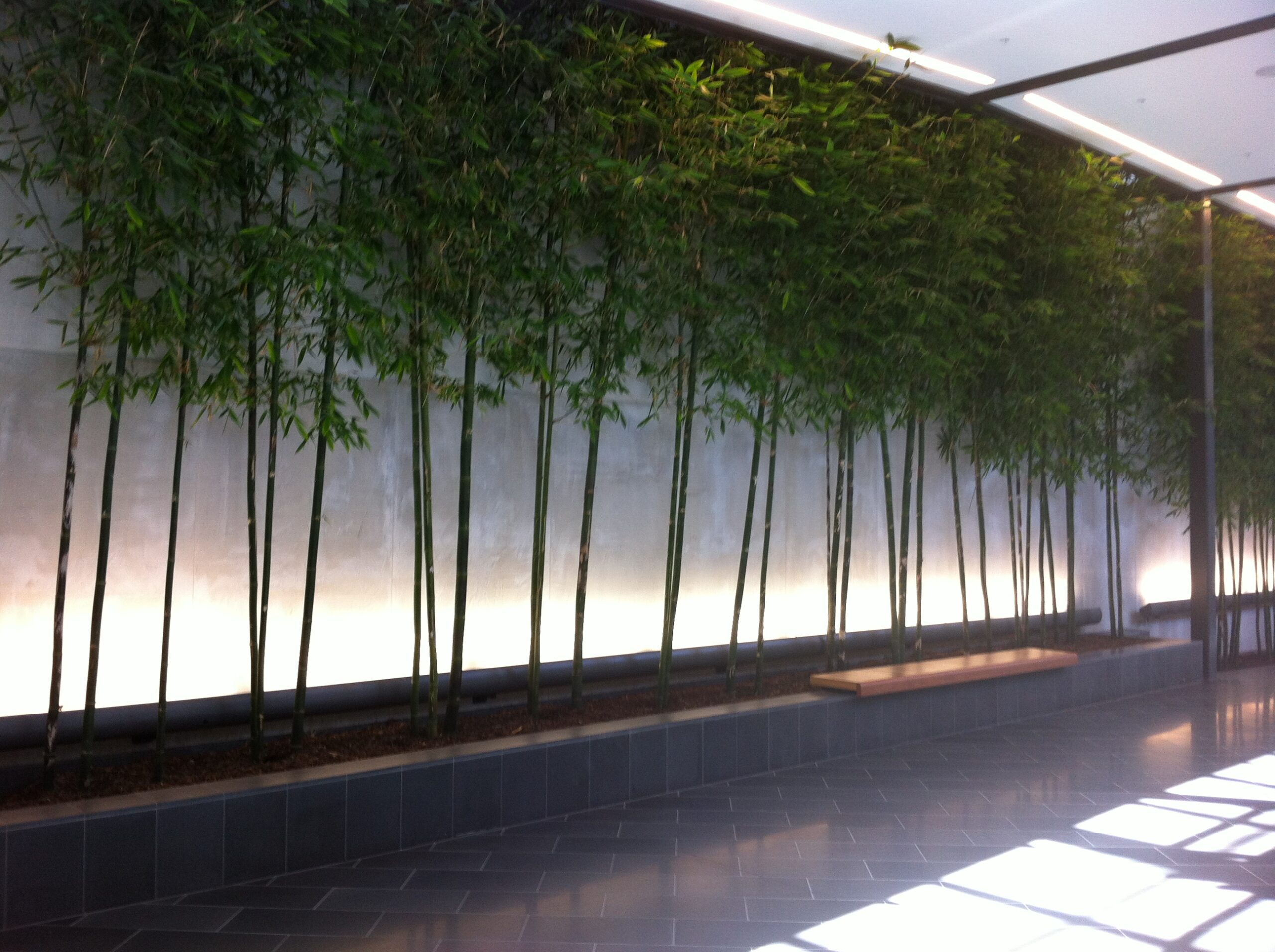
What Makes Locally Grown Stock Different
Bamboo screens Melbourne gardeners install from plants grown locally establish faster than imported stock, full stop. Plants grown at Heatherton have already spent multiple seasons in Victorian conditions. They’ve been through the cold. They know what a 40-degree January feels like. That’s not a small thing when you’re asking a plant to hit the ground running after transplanting.
Plants that spent their growing life in a greenhouse approximating a Queensland climate need to recalibrate before they can really perform. The first Melbourne winter can set them back considerably. The growth you were budgeting for in year one might not materialise until year two or three.
If the screen needs to be doing its job within a couple of seasons, where the plants were grown matters as much as which variety you choose.