If you’re thinking of adding a little more green to your Melbourne garden, then growing bamboo can be a fantastic choice. It offers privacy, beauty, and a touch of the exotic. Whether you’re after a lush screen or a striking feature plant, bamboo is surprisingly adaptable to our local climate. This guide will help you pick the right variety, get it planted correctly, and keep it looking its best throughout the year.
Key Takeaways
- Choosing between clumping and running bamboo is important for managing space and growth in your garden.
- Several bamboo varieties thrive in Melbourne’s climate, offering different looks and growth habits.
- Planting bamboo is best done in spring or summer for quicker establishment, but can be done year-round outside of heavy frosts.
- Consistent watering and mulching are vital, especially in the first year, with regular feeding encouraging healthy growth.
- Understanding bamboo’s needs, including soil preparation and potential containment, is key to successful growing.
Why Grow Bamboo in Melbourne?
Melbourne’s climate, with its distinct seasons and occasional unpredictable weather, provides a surprisingly suitable environment for growing bamboo plants. These versatile plants offer a unique combination of aesthetic appeal, practical benefits, and resilience that makes them an excellent choice for many gardens across the city.
Bamboo plants are a fantastic option for adding privacy, creating natural screens, and introducing a touch of the exotic to your outdoor space. Their rapid growth rate means you can achieve significant screening in a relatively short period, a welcome advantage for those seeking immediate results. Beyond their visual appeal, bamboo can also help to dampen noise, making your garden a more peaceful retreat from urban life.
Consider the advantages:
- Rapid Growth: Many bamboo varieties can grow substantially within their first year, quickly establishing a dense screen or attractive feature.
- Privacy and Screening: The dense foliage of clumping bamboo varieties creates an effective natural barrier, offering seclusion and a beautiful green backdrop.
- Low Maintenance: Once established, bamboo generally requires minimal upkeep, freeing up your time to enjoy your garden.
- Environmental Resilience: Bamboo is known for its hardiness, tolerating a range of conditions including wind and varying temperatures, which suits Melbourne’s climate well.
Choosing the right bamboo variety is key to success, as some are better suited to Melbourne’s conditions and your specific garden needs than others. This guide will help you select and care for bamboo plants that will thrive.
Choosing the Right Bamboo for Melbourne’s Climate
Selecting the correct bamboo variety is key to a successful and enjoyable gardening experience in Melbourne. Melbourne’s climate, with its distinct seasons and occasional unpredictable weather, means you’ll want a plant that is both resilient and suited to your specific garden needs. Understanding the different types of bamboo available will help you make an informed decision.
Clumping vs. Running Bamboo: What’s the Difference?
The most significant distinction between bamboo types lies in their growth habit: clumping versus running. This difference dictates how the plant spreads and, consequently, how much space it requires and what containment measures, if any, are necessary.
- Clumping bamboo varieties are well-behaved. They grow outwards slowly from a central point, forming a dense, attractive clump over time. These are generally the preferred choice for home gardens, especially in smaller spaces or near structures, as they are non-invasive and require minimal management to keep them in check. They are excellent for creating natural screens or adding vertical interest without the risk of spreading.
- Running bamboo varieties, on the other hand, spread aggressively via underground rhizomes. While they can be used to cover large areas quickly, they pose a significant risk of becoming invasive if not properly contained. For most Melbourne gardeners, especially those with established gardens or limited space, running bamboo is generally not recommended due to the potential for it to spread into neighbouring properties or underground services.
Top Bamboo Varieties for Melbourne Gardens
When considering bamboo choices for home gardens in Melbourne, focusing on clumping varieties is advisable. These offer beauty and functionality without the worry of uncontrolled spread. Here are a few popular and well-suited options:
- Bambusa multiplex (Hedge Bamboo): This is a very tough and adaptable clumping bamboo. It forms a dense screen and is quite compact, making it suitable for narrower spaces or for use as a hedging plant. It tolerates a range of conditions and is a reliable performer.
- Bambusa textilis ‘Gracilis’ (Slender Weaver’s Bamboo): Often referred to as Gracilis, this variety is a favourite for its upright, elegant growth habit and graceful appearance. It forms a dense screen and is a classic choice for adding a touch of sophistication to a garden. It’s relatively cold-tolerant and non-invasive.
- Fargesia species (Fountain Bamboo): Many Fargesia varieties are excellent clumping bamboos that thrive in cooler conditions and partial shade. They have a beautiful, cascading habit and are generally well-behaved, making them a good option for shadier parts of your garden or for pots.
When selecting bamboo, always confirm the specific growth habit of the variety. Opting for known clumping types will significantly simplify your gardening efforts and prevent potential issues down the track. It is always best to purchase from reputable nurseries that can provide accurate information on the plants they sell.
Best Time to Plant Bamboo in Melbourne
Choosing the right moment to plant your bamboo can significantly influence its establishment and early growth. While bamboo is a hardy plant, timing your planting with Melbourne’s climate in mind will yield the best results.
The ideal planting window for bamboo in Melbourne is during spring and early summer. This period offers warmer temperatures and increased daylight, which are perfect for encouraging rapid root development and visible growth. Planting during these months means your bamboo will establish itself more quickly, reducing the time it takes to achieve the desired screening or aesthetic effect.
While spring and summer are optimal, planting can also occur in autumn. This allows the roots to establish before the cooler winter months set in, and you’ll often see vigorous new growth emerge as the weather warms up again.
Winter planting is possible, but it requires a bit more patience. During the colder months, bamboo focuses its energy on root growth rather than above-ground foliage. You might not see much visible progress until spring arrives, but the plant is still diligently preparing for its main growth spurt. Avoid planting during periods of heavy frost.
Regardless of when you plant, remember that immediate and consistent watering is key for the first month or two. This is especially true if you are planting during the warmer summer months when the soil can dry out quickly. Ensure the root ball receives a thorough soaking every couple of days to prevent transplant shock and support healthy establishment.
- Spring (September – November): Optimal for rapid growth and establishment.
- Summer (December – February): Good for quick results, but requires diligent watering.
- Autumn (March – May): Allows roots to establish before winter, with good spring growth.
- Winter (June – August): Possible, but expect slower visible growth; avoid frost periods.
Maintenance Throughout the Seasons
Maintaining your bamboo in Melbourne’s climate involves consistent care, particularly during the establishment phase and throughout the year. Understanding its needs will help your bamboo thrive.
Soil Preparation and Location
When preparing to plant your bamboo, the location and soil are key. Dig a hole that is about twice the width of the pot and roughly the same depth. Bamboo roots tend to spread outwards rather than deep, so improving the topsoil is more beneficial than digging a very deep hole. If you have heavy clay soil, mix in compost or organic matter to improve its structure. For sandy soils, adding compost or heavier garden soil will help retain moisture. Ensuring good drainage is also important to prevent waterlogging.
Planting Techniques for Success
Carefully remove the bamboo from its pot or planter bag by cutting the bag open and pulling it away; avoid teasing the roots, as this can cause damage. Place the root ball into the prepared hole. Backfill with the improved soil, firming it gently around the base.
- Watering Immediately After Planting: Give your newly planted bamboo a thorough watering. This helps settle the soil around the roots.
- Mulching: Apply a layer of organic mulch, about 50-100mm deep, around the base of the plant. This helps retain soil moisture, suppresses weeds, and breaks down over time to feed the bamboo.
- Initial Watering Schedule: For the first month or two, water deeply every couple of days. If planting during a hot spell, you might need to water daily. Check the soil moisture to gauge how much water is needed.
Proper soil preparation and planting techniques lay the foundation for healthy bamboo growth. Focusing on improving the topsoil and ensuring adequate moisture retention will significantly benefit your plants, especially in Melbourne’s variable weather conditions.
Essential Bamboo Care in Melbourne
Watering and Mulching
Providing your bamboo with the right amount of water is key, especially during Melbourne’s warmer months and dry spells. Aim to keep the soil consistently moist, but avoid waterlogging, as most bamboo varieties prefer well-drained conditions. A good soaking after planting is vital to help the roots establish. Regularly applying a thick layer of mulch around the base of your bamboo is also highly beneficial. Mulch helps retain soil moisture, suppresses weeds, and regulates soil temperature, creating a more stable environment for your plant’s roots.
Fertilising Your Bamboo
While bamboo is not overly demanding, regular feeding will encourage vigorous growth and keep your plants looking their best. A slow-release fertiliser applied in spring and again in late summer is a good practice. Supplementing with a liquid seaweed feed can also stimulate strong root development and overall plant health. Observe your bamboo; if it appears to be lacking vigour, a little extra nourishment can make a noticeable difference.
Containment Strategies & Common Problems
When selecting bamboo for your Melbourne garden, it’s important to consider the type. Running Bamboo varieties, while beautiful, can spread aggressively and may require containment to prevent them from taking over your garden. Physical barriers, such as specialised root barriers installed around the planting area, are often recommended. Regular monitoring and pruning can also help manage their spread. Common issues can include wilting leaves, which often indicates a need for water, or yellowing leaves, which might suggest overwatering or nutrient deficiencies. Addressing these promptly will keep your bamboo thriving.
Legal Considerations
Before planting, particularly if you are considering Running Bamboo, it is advisable to check local council regulations or any homeowners’ association rules regarding plant types and their potential for spread. Some areas may have specific guidelines to prevent invasive species from causing issues with neighbouring properties or public spaces. Being aware of these considerations beforehand can save you potential complications down the line.
Landscaping Applications
Bamboo offers a remarkable range of possibilities for transforming your Melbourne garden. Its unique characteristics allow it to serve multiple roles, from providing privacy to adding striking visual interest.
Consider bamboo for its versatility in creating distinct garden zones and features.
Here are some ways you can incorporate bamboo into your landscape design:
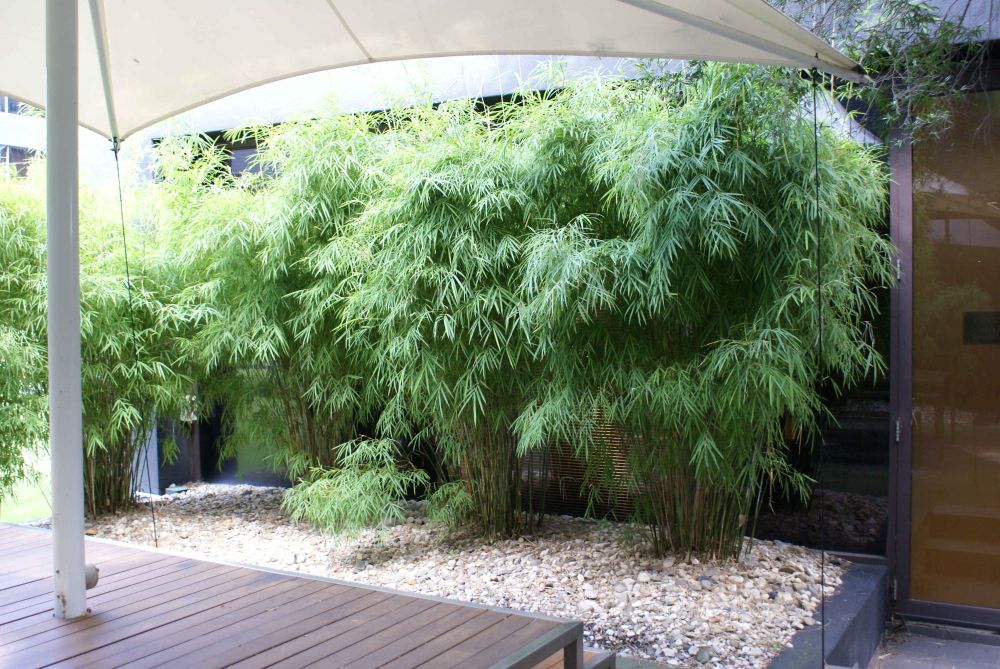
- Privacy Screens and Hedges: Densely growing clumping varieties, such as Bambusa textilis ‘Gracilis’ or Bambusa multiplex, can form effective living fences. They grow quickly, offering a natural and attractive alternative to traditional fencing, and can significantly reduce noise pollution.
- Architectural Features: The sculptural form of bamboo culms, with their varied colours and textures, can be used as standalone features. Taller varieties can create a dramatic vertical element, while shorter ones can add interest to smaller spaces.
- Container Planting: Many bamboo species thrive in pots, making them ideal for balconies, courtyards, or areas where in-ground planting is not feasible. This also allows for easy repositioning to suit changing garden aesthetics.
- Groundcover: Certain smaller, spreading bamboo types can be used to cover slopes or large areas, providing erosion control and a lush, green carpet.
- Water Features: The natural aesthetic of bamboo complements water elements beautifully. Planting bamboo around ponds or water features can create a serene, tropical feel.
When planning your bamboo application, always consider the mature size of the chosen variety and its growth habit. Proper planning will prevent overcrowding and ensure the bamboo integrates harmoniously with your existing garden design.
Your Bamboo Journey in Melbourne
So, you’ve got the lowdown on growing bamboo right here in Melbourne. We’ve covered the best types for our climate, how to get them in the ground, and what they need to really thrive. Remember, a bit of care early on goes a long way, and with the right attention, your bamboo will give you privacy, beauty, and a bit of that natural calm we all love. Whether you’re aiming for a dense screen or just a striking feature plant, bamboo is a fantastic choice for our gardens. Don’t hesitate to reach out to local experts like Red Cloud Bamboo if you need a hand picking the perfect variety or have any lingering questions. Happy growing!
Frequently Asked Questions
When is the best time to plant bamboo in Melbourne?
The ideal time to plant bamboo in Melbourne is during spring and summer. These warmer months encourage quick growth and help your bamboo establish faster. While you can plant in winter, you’ll need to be a bit more patient as the plant focuses on root growth rather than visible above-ground development. Avoid planting during heavy frosts.
What’s the difference between clumping and running bamboo?
Clumping bamboo grows outwards in a tight circle, forming a dense clump over time. It’s generally well-behaved and doesn’t spread aggressively. Running bamboo, on the other hand, spreads via underground rhizomes and can be quite invasive if not managed carefully. For most Melbourne gardens, clumping varieties are the safer and more manageable choice.
How much water does bamboo need?
Newly planted bamboo needs regular, deep watering for the first month or two, especially during dry spells. Aim for moist soil, but not waterlogged. Once established, bamboo is quite hardy, but regular watering will lead to more rewarding growth. Check the soil moisture regularly, especially during hot weather.
Do I need to feed my bamboo?
Yes, bamboo loves a good feed, especially nitrogen, as it’s a type of grass. Apply a slow-release fertiliser in spring and again in late summer. You can also supplement with liquid seaweed feeds to encourage strong, healthy growth. Regular feeding helps maintain its lush appearance.
How do I stop bamboo from spreading?
If you’ve chosen a clumping variety, it will naturally stay contained. However, if you’re concerned about any variety spreading, you can use physical barriers like root barriers installed in the ground. Regular monitoring and trimming of any stray shoots can also help manage its footprint.
What kind of soil is best for bamboo?
Bamboo isn’t too fussy about soil type and can grow in clay or sandy soils. However, it dislikes sitting in waterlogged conditions. Improving your soil with compost or organic matter before planting will give your bamboo the best start. Good drainage is more important than the specific soil type.